Generate More Reward Opportunities Through Tiered Loyalty Programs

Customer loyalty rarely grows through discounts alone. People stay engaged when rewards feel attainable and worthwhile. Tiered loyalty programs create clear reasons for continued participation. Each level unlocks stronger benefits, encouraging repeat activity over time.
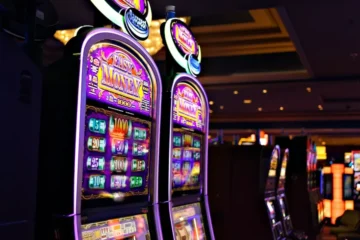
Brands gain deeper customer commitment through carefully planned incentives. In gaming environments, a slot reward pathway often demonstrates how advancement keeps members active while creating stronger value perceptions.
Stronger Incentives Create Lasting Participation
A single reward level reaches limits quickly. Members recognize every benefit within weeks. Fresh motivation becomes harder to maintain. Tiered systems introduce new targets across different stages.
Customers respond well when achievements receive recognition. Progress feels visible and meaningful. Higher levels often carry stronger privileges, making continued participation feel worthwhile rather than repetitive.
What Makes Higher Tiers More Valuable?
Rewards work best when each level delivers distinct advantages. Simple point increases rarely create excitement. Practical benefits carry greater influence.
Examples include:
- Priority event invitations
- Faster reward accumulation rates
- Exclusive seasonal promotions
- Personalized account perks
Value becomes easier to recognize when benefits affect everyday experiences rather than remaining hidden within complicated rules.
Reward Design Shapes Customer Decisions
Thoughtful reward design influences behavior patterns. Small benefits attract newcomers. Premium experiences encourage long-term commitment. Clear qualification requirements prevent confusion and reduce frustration.
In gaming platforms, a slot loyalty structure may include tournament access, enhanced earning rates, or member-exclusive challenges. Those additions create stronger participation because rewards connect directly with preferred activities rather than generic incentives.
Can Customer Data Expand Reward Opportunities?
Data reveals valuable behavioral patterns. Purchase history highlights preferred categories. Activity records identify engagement habits. Those insights help brands refine future incentives.
Useful observations often include:
- Preferred promotional periods
- Most redeemed rewards
- Popular membership milestones
When incentives align with demonstrated preferences, participation tends to remain stronger across longer periods.
Levels Encourage Emotional Investment
Recognition carries weight beyond financial value. Members appreciate status markers and exclusive access. Visible achievements strengthen personal attachment toward a brand.
A customer reaching an upper tier often feels acknowledged rather than rewarded alone. That distinction matters. Emotional investment can influence future decisions more strongly than short-term discounts.
FAQs
Why do tiered loyalty programs outperform basic reward systems?
Additional levels create fresh goals. Members remain engaged because stronger benefits stay within reach. Ongoing advancement encourages repeat participation.
Which rewards attract higher-tier members most?
Exclusive experiences perform well. Priority access, personalized offers, and premium privileges often generate stronger engagement than standard discounts.
How many tiers should a loyalty program include?
Three to five levels work effectively. Too few reduce motivation. Excessive levels may create confusion and weaken participation.
Can small businesses use tiered loyalty programs?
Yes. Local businesses often implement simple structures. Even modest rewards can strengthen customer retention when benefits remain meaningful.