What determines reel-lock conditions in specialised online slot modes?
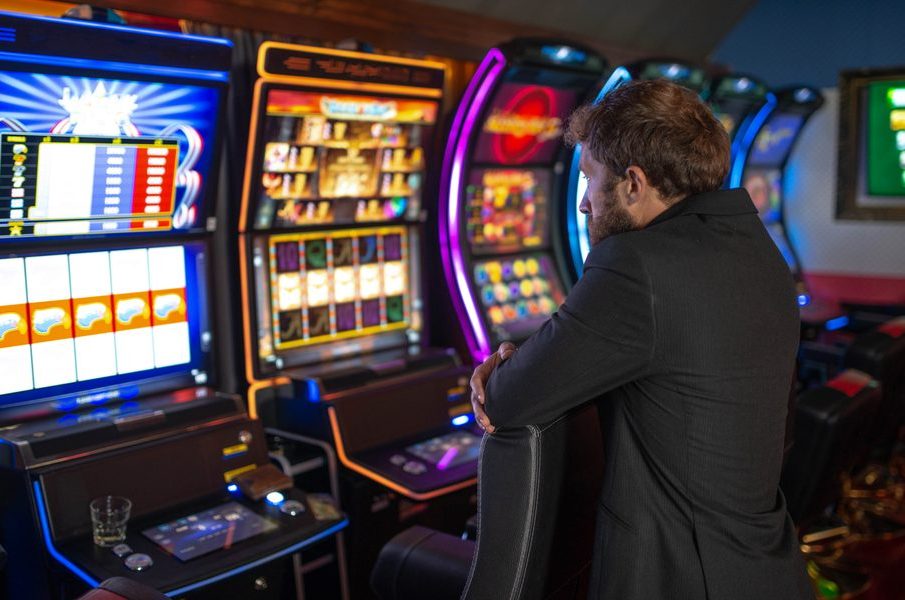
Reel-lock mechanics represent one of the more intricate design elements in modern game development. These systems freeze specific columns while others continue spinning, creating unique gameplay patterns. Online slot developers implement various trigger conditions that activate these locking mechanisms. The rules governing when and how reels freeze vary considerably between different game models. It helps to know these conditional parameters and why certain combinations produce column holds. Strategic layers integrated with free credit no deposit 2026 enhance decision-making beyond simple chance outcomes.
Symbol trigger requirements
Most reel-lock features activate when specific symbols land in designated positions. Three scatter icons on particular columns might freeze those reels for subsequent spins. The positioning matters enormously in these systems. Landing scatters on reels one, three, and five could trigger locks, while the same symbols on adjacent columns might not. Some games use progressive trigger systems. A single special symbol locks one reel. Two symbols lock two reels. This escalating structure rewards players who accumulate qualifying icons across multiple attempts. The locks typically remain active for a predetermined number of spins, creating extended feature sequences where frozen columns stay constant while others rotate freely.
Feature mode activation
Dedicated bonus rounds often employ different locking rules than base gameplay. Free spin modes might automatically lock the middle reel throughout the entire feature. Others freeze reels containing wild symbols for the duration of bonus spins. Respins frequently incorporate reel-lock mechanics as their core function. When triggering symbols appear, they stick in place while the remaining reels spin again. Additional matching symbols also lock, potentially filling the entire grid. These mechanics work differently across game variations:
- Landing currency symbols freezes those positions for three respins
- Each new symbol resets the respin counter back to the starting number
- Locks release only when respins are exhausted without new triggers
- Multiplier values on locked symbols persist through all respins
- Some systems add prize values together from all locked positions
Mathematical probability adjustments
Developers calibrate locking conditions based on desired frequency rates. Games targeting frequent feature activation set lower trigger thresholds. Landing just two qualifying symbols might activate locks. Models designed for rarer but more substantial features require three or four specific icons. The probability calculations extend beyond simple symbol appearance rates. Designers must account for how locked reels affect subsequent spin outcomes. A frozen column containing wild symbols dramatically changes the winning potential for remaining spins. The math behind these systems balances trigger frequency against average award values, ensuring overall return percentages remain within specified ranges regardless of how often locks activate.
Combination pattern recognition
More complex games evaluate symbol patterns rather than individual icon appearances. Landing symbols in specific geometric arrangements trigger locks. Three symbols forming diagonal lines might activate the feature, while the same three in random positions would not. Pattern recognition systems often incorporate multiple qualifying arrangements. Vertical lines, horizontal matches, or corner formations could all trigger locks under different conditions. This variety prevents repetitive gameplay while maintaining clear activation rules. Players learn to recognize potential pattern completions, adding anticipation to each spin. Some models combine pattern requirements with symbol type conditions. Not only must icons form specific shapes, but they must also be particular symbol types. Three matching premiums in an L-shape might trigger locks, while three mixed symbols in the same pattern would fail.
Reel-lock conditions stem from carefully designed trigger systems balancing symbol requirements and probability calculations. These mechanics transform simple spinning reels into more nuanced experiences where specific outcomes produce extended feature sequences. Conditional parameters ensure locks occur frequently enough to maintain engagement while remaining special enough to feel rewarding when activated.