Which 9 elements produce a consistent baccarat game flow?
Game flow is one of those things บาคาร่าออนไลน์ players feel before they name it. A session either moves with a readable rhythm or it does not, and most players cannot pinpoint why until something noticeably shifts. Online baccarat tables are not passive environments. The pace, the card distribution, the frequency of draws, the way ties land across a shoe each element quietly pushes the session in a direction. Flow is never accidental. It builds from specific, identifiable sources, and recognising those sources changes how clearly a player reads what the table is actually doing at any given point.
1. Dealing speed
The pace at which cards are dealt sets the base rhythm of any session. Faster dealing compresses decision windows and reduces the time players have to absorb each result before the next round opens. Slower dealing creates space for observation and recalibration between rounds.
2. Natural hand frequency
When naturals appear regularly, rounds close on two cards and the session moves cleanly. A shoe with few naturals produces more draw decisions, stretches each round, and introduces additional information that shifts how players read the developing pattern.
3. Third-card draw rate
Draw frequency directly affects session tempo. A high draw rate slows the game, adds visual complexity to each round, and changes how road patterns develop across the shoe. Sessions with minimal draws feel tighter and more direct.
4. Tie result distribution
Ties interrupt the banker-player alternation that most road tracking follows. A shoe with clustered ties creates noticeable breaks in flow, resetting the rhythm players have been reading and affecting the next several betting decisions.
5. Shoe penetration depth
As the shoe deepens, card composition narrows, and results can cluster more sharply. Early shoe rounds carry more compositional uncertainty. Mid and late shoe stages often produce the most defined flow patterns as the remaining cards push outcomes in a consistent direction.
6. Bet settlement pace
How quickly winning bets are paid and losing bets are cleared affects the transition between rounds. In live games, settlement pace is set by the dealer. In digital games, it is determined by the interface. A clean settlement keeps the flow intact, while a slow one fragments the session rhythm.
7. Road pattern development
Roads do not just display results. They feed back into the session by influencing how players read the current flow. A road showing a long banker column creates a different decision environment from one showing rapid alternation, even when the underlying probability at each round stays unchanged.
8. Player count at the table
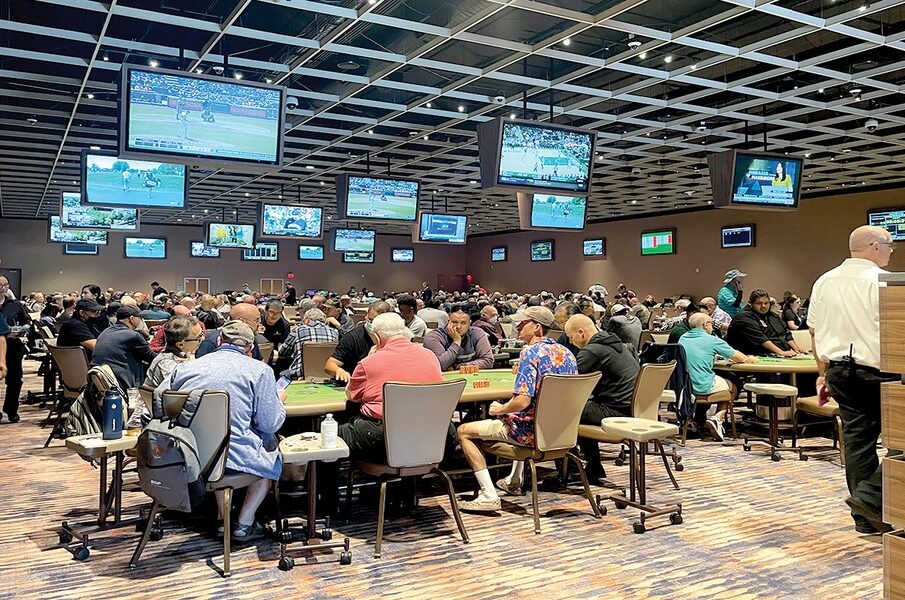
In live multiplayer settings, the number of active players affects dealing pace and session energy. A full table moves differently from a near-empty one. Digital tables remove this variable entirely, but live game lobbies retain it as a genuine influence on how a session flows.
9. Shoe change frequency
Each shoe change resets card composition and interrupts whatever flow pattern the previous shoe had established. Tables that change shoes frequently produce more flow resets per session. Tables running longer shoes allow patterns to develop and persist across more rounds before composition resets entirely.
Game flow is the sum of these nine elements working together across a session. No single element dominates, and no two shoes combine them in the same way. Players who track these elements alongside results carry a more complete picture of what is shaping each decision as the session unfolds.